Prince Edward Island is known for its "gentle" pace, but for many of us living here, life can feel anything but. Between the busy summers and the long, demanding winters, it’s easy to find yourself running on empty.
As a therapist here on PEI, I often talk with people who feel like they’re failing because they’re exhausted. I want to tell you right now: You aren't failing. You’re likely just burnt out. Burnout isn’t a sign that you’re not “tough" enough. It’s a sign that you’ve been carrying too much for too long. Let’s talk about what burnout looks like in our neck of the woods and how we can start the journey toward burnout recovery together.
What Burnout Looks Like in Our Communities
On PEI, burnout doesn't always look like a dramatic breakdown. Sometimes it’s a quiet, heavy fatigue that follows us from the fishing wharf to the farmhouse. Here’s how it often shows up in our unique local industries:
The Tourism Sprint
If you work in hospitality, you know the "July/August blur." By September, you might feel more than just tired—you might feel cynical, irritable, or completely disconnected from the things you usually love.
The Farming & Fishing Grind
When your livelihood depends on the weather and the seasons, there is no "off" switch. Workplace stress in PEI’s natural resource industries often includes feeling constantly worried, feeling trapped by your responsibilities, or losing the passion for a lifestyle that used to bring you pride.
Care-giving & Community Demands
Islanders take care of their own. But whether you’re caring for an aging parent or juggling kids and a job, that "always-on" care-giving mode can lead to deep emotional depletion.
Healthcare & Shift Work
For our healthcare workers, plant workers, and first responders, the irregular hours can mess with your body’s rhythm, making you feel like a ghost in your own life—present, but not really there.
How Stress Builds (The Slow Tide)
Stress doesn't usually hit us like a rogue wave; it’s more like a rising tide.
It starts with "just a few extra hours" or "I can handle one more thing." Eventually, your body stays in a state of "high alert" for so long that it forgets how to relax. When you reach the point where a full night's sleep seems impossible and doesn't leave you feeling rested, or you find yourself snapping at the people you love most, that's your system's way of saying it’s reached its limit.
Small Steps Toward Recovery
Knowing how to recover from burnout doesn't mean you have to change your entire life overnight. It’s about small, kind shifts.
Be Honest with Yourself
The biggest hurdle is admitting, "I'm not okay, and that’s alright." Validating your own exhaustion is the first step toward healing.
The Power of "No" (or "Not Right Now")
On PEI, we hate to let people down. But saying no to a committee or an extra shift is actually saying yes to your health.
Reconnect with the Island For You
We live in a place people travel across the world to see. Try to visit your favorite red-sand beach or wooded park trail —not to "get exercise," but just to breathe the fresh air and be still.
Reach Out
You don’t have to do this alone. Whether it’s a chat with a friend over coffee or booking a session with a therapist, talking about your stress takes the power away from it. Stress management is about finding a pace that is sustainable for you, not just everyone else. You deserve to enjoy this beautiful Island life, not just survive it. It’s a brave step to move from "noticing the problem" to "taking action." Since burnout can make your brain feel a bit foggy, here is a quick self-check you can use to see where your tank is at.
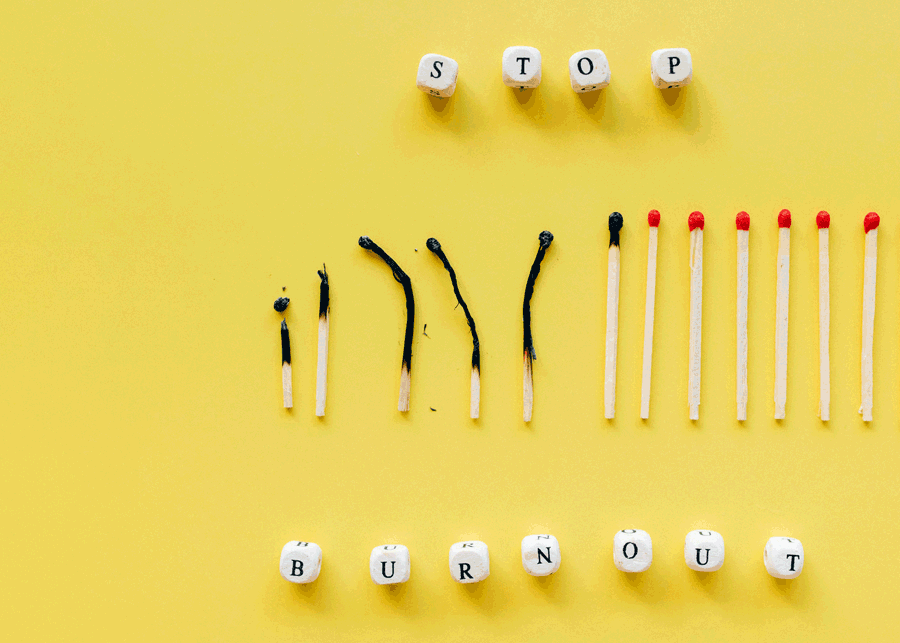
The PEI Burnout Self-Check
Take a deep breath and check off how many of these feel true for you lately. There’s no "score"—this is just for you to see your own reality clearly.
[ ] The "Dread" Factor: Do you feel a heavy pit in your stomach on Sunday night (or the night before your rotation starts)?
[ ] The Compassion Gap: Are you finding it harder to be patient with patients, customers, or family members? Do you feel "numb" or cynical?
[ ] Physical "Check Engine" Lights: Are you experiencing new headaches, a tight jaw, or digestive issues that won't go away?
[ ] The Sleep Paradox: Are you exhausted all day, but your brain starts racing the second your head hits the pillow?
[ ] Social Withdrawal: Are you turning down invitations to things you usually enjoy (like a social get together or a walk with family) because you just "can’t even"?
[ ] Efficiency Drop: Are simple tasks at work taking you twice as long as they used to?
If you checked 3 or more: It’s time to shift from "powering through" to burnout recovery mode. Your body is asking for a change.
We can help. Reach out to In Good Time via email to hello@ingoodtime.ca or by completing our contact form here.

.jpg)